

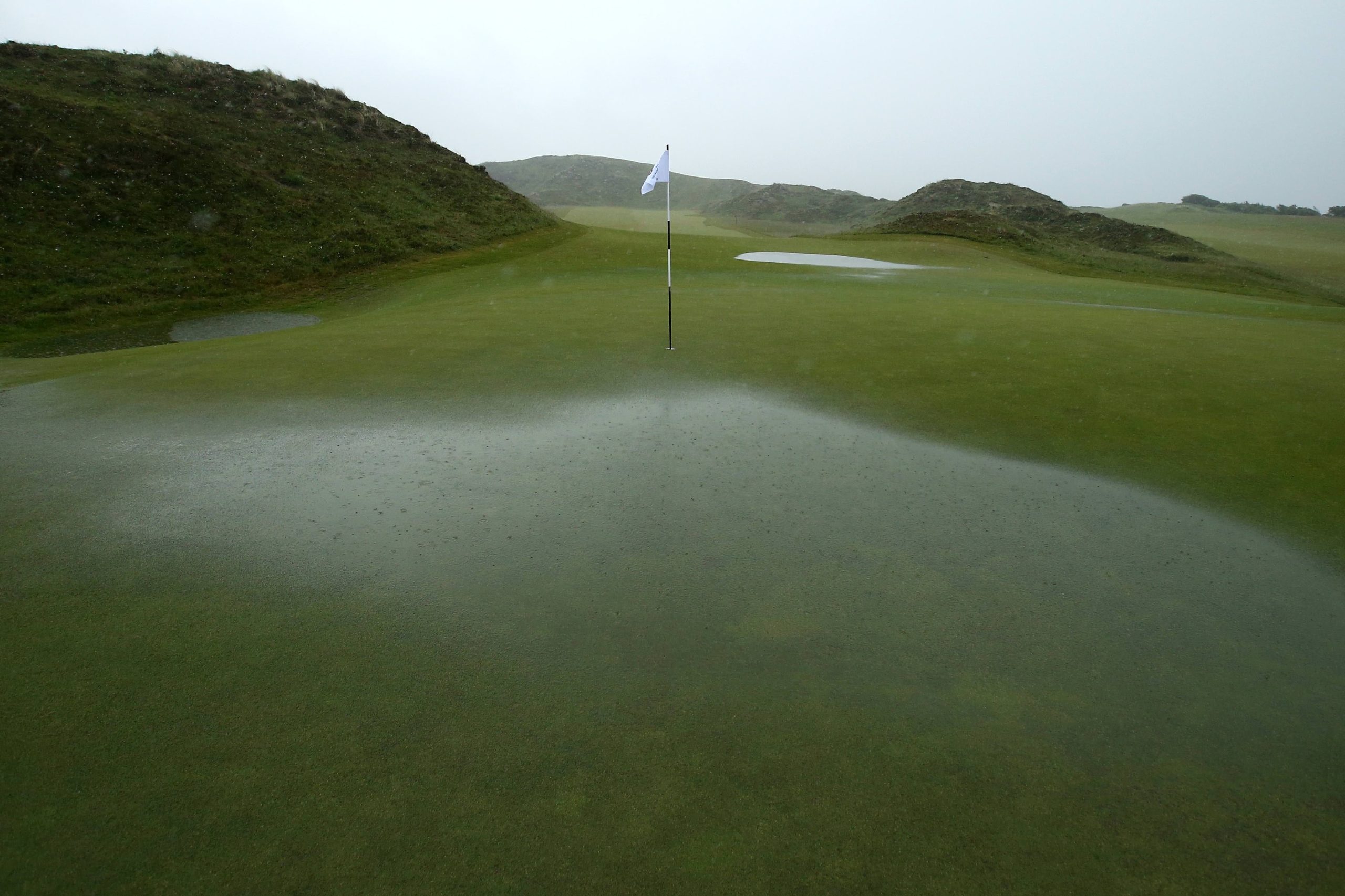
It’s storming. It’s putting. It appears like nearly each week our experts’re receiving a big rainstorm as well as the greenkeepers are actually asking yourself whether they need to have to place the ‘training program finalized’ indications out.
But even though the rain eventually stops, the drama for our golf courses does not end there. So how does rain – and particularly heavy rain – affect them? How long can damage last, and is there anything our hardworking club teams can do to mitigate it?
Let’s take a look…
How does rain affect golf?
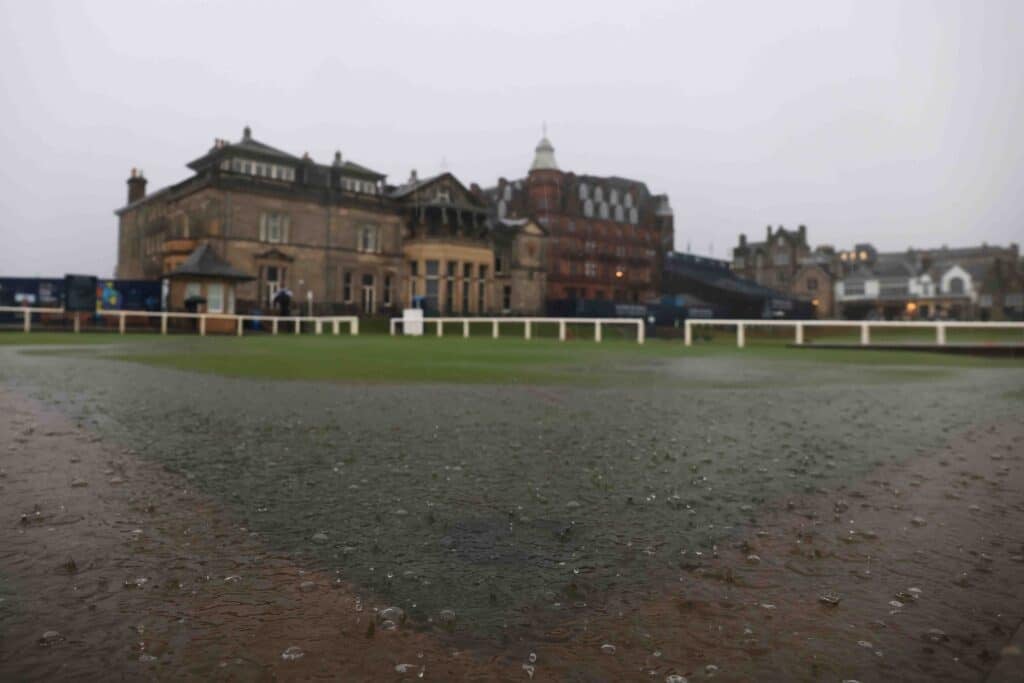
Walking on wet grass really damages it
You think grass grows in soil. Yet you would be wrong. The roots actually grow in air spaces between soil particles. Try to imagine soil as like a sponge.
There are some pockets where you want air and some where you want water. Think of it like a honeycomb. That structure is crucial because it allows water to drain freely through the soil profile.
But if you start walking on it, particularly when the grass is saturated, then the pockets can close up. Water doesn’t move through as easily and it it takes longer to dry out.
There’s another problem with roots that haven’t got access to air. After a period, they weaken and begin to die off. If you’ve ever noticed waterlogged grass turn brown, you have seen that in action.
Walking on grass when it’s like this – whether water is flooded on the surface – compacts and pushes the grass into the soil – crushing the area where the roots are.
How does rain affect golf courses: The damage may last for months
The rain stops. But although the surface might start drying out, it’s sometimes what you can’t see that makes the real difference. A couple of inches down into the soil and the grass might still be soaking wet. It’s then simply topping up the next time precipitation arrives.
Deterioration in the playing surface may require remedial action and additional works to put right.
If this happens during the winter, when the turf is months away from being able to benefit from warm growing weather again, there is no chance for any sustained recovery to take place. That won’t arrive until well into the Spring.
It’s a vicious circle – but you can help
Rain following storm, especially if it’s during the later months, is a greenkeeper’s worst nightmare. With wet, warmer, winters leading to increased disease activity, clubs will need to get used to greater deterioration of surfaces as it continues, more cost to try and put it right, and the fear that they’ll be playing catch up well into the following season.
Of course, no one can stop the weather. No one can stop it raining. But there are things clubs can do to try and mediate the effects of rain and winter weather when we can get out on the course. They need your buy in to get it done.
Restricting the use of buggies and trolleys, using winter wheels, roping off areas, using mats to protect fairways and tees – these are measures that aren’t generally popular with golfers but can have a big impact.
Now have your say
How performs rain affect golf at your course? Does your club already do some of the measures suggested here? Let us know just how it’s managed through contacting us on X.