

50 Words or Less
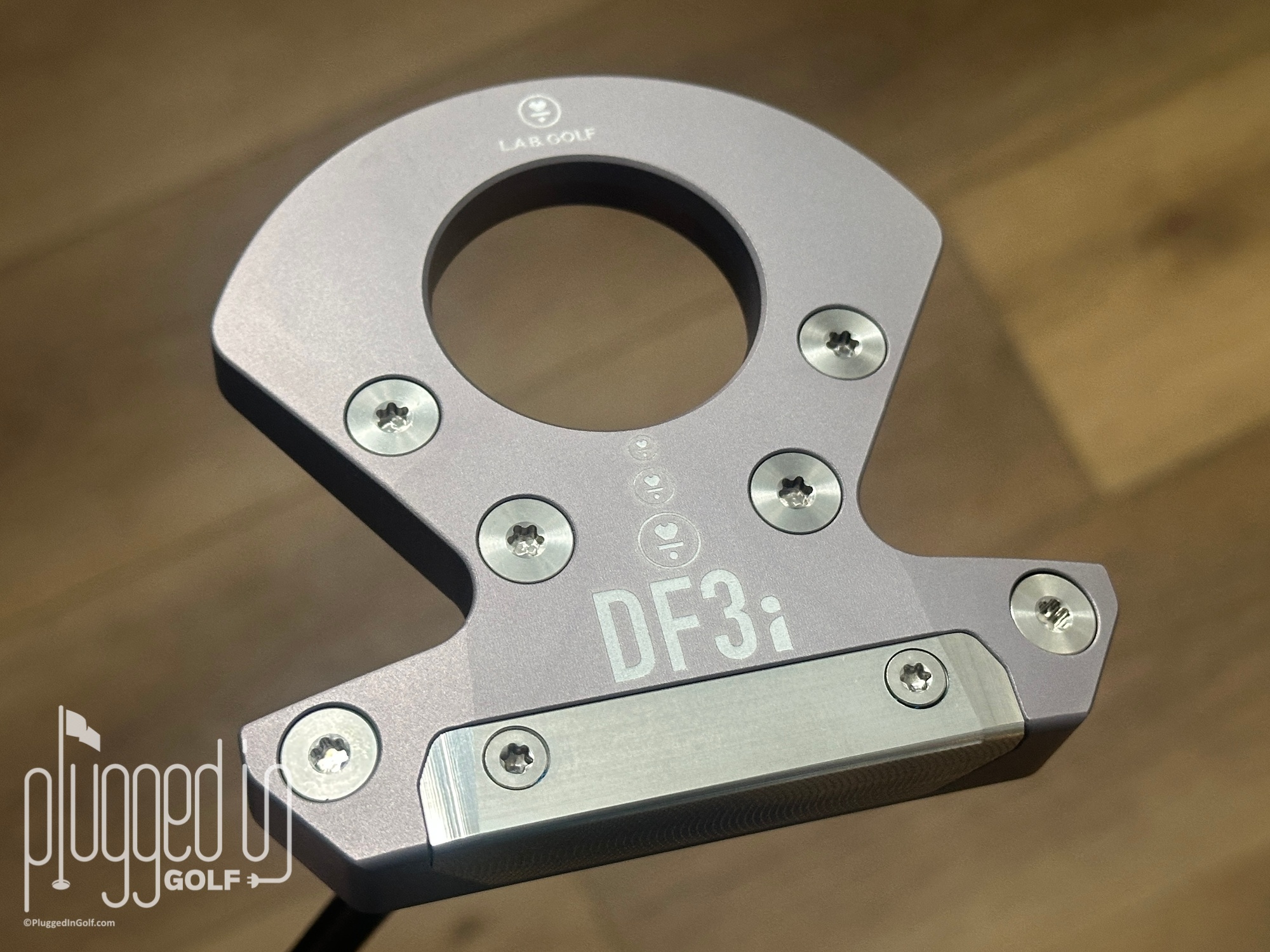
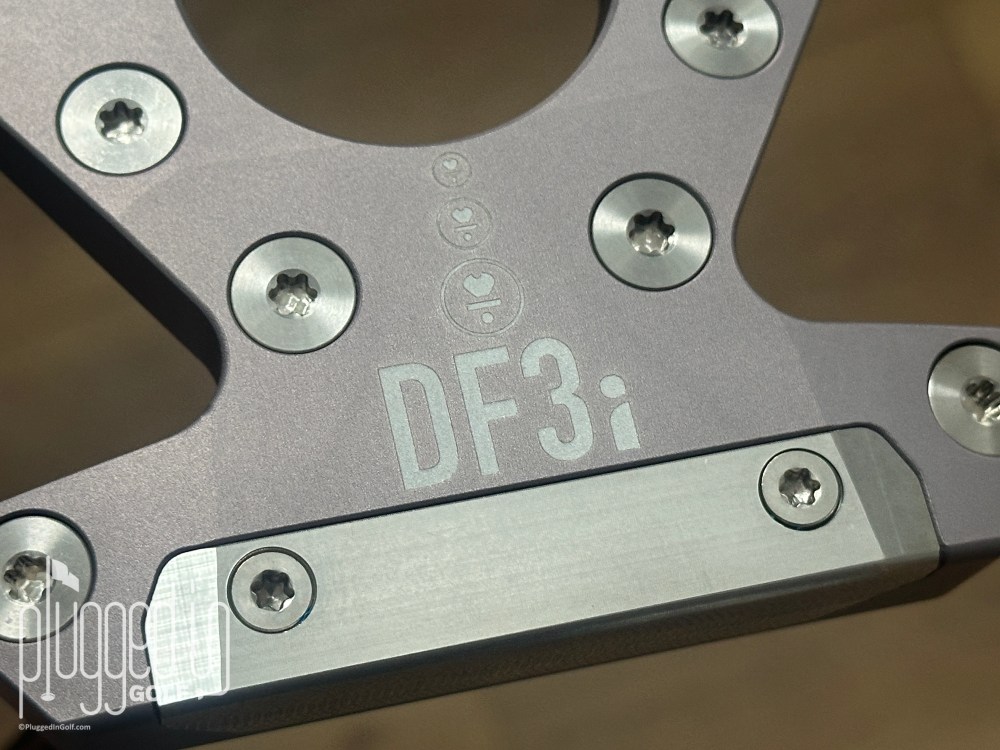
The LAB Golf DF3i adds a stainless steel face to one of the most forgiving, easiest-to-use zero torque putters. Giant footprint, unusual shape. Loads of customization options.
Introduction
In his review [find it HERE], Drew called the DF3 “a magic wand for starting the ball on your target line.” I read it, it sounded like hyperbole, but it got me interested. Since then, every time I’ve had the chance to roll a DF3, I’ve taken it. Every time, I’ve walked away impressed. With the introduction of the new LAB Golf DF3i, I’ve had the chance to spend extended time with this highly unusual flat stick. Did the honeymoon end or do I have a new gamer? Read on to find out.
Looks
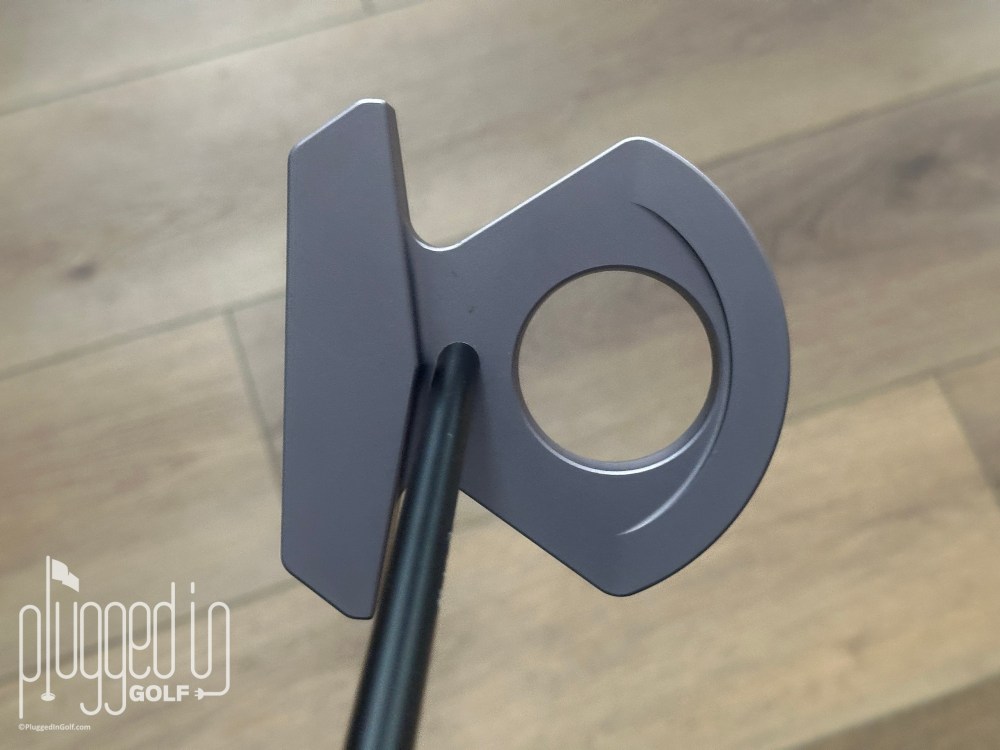
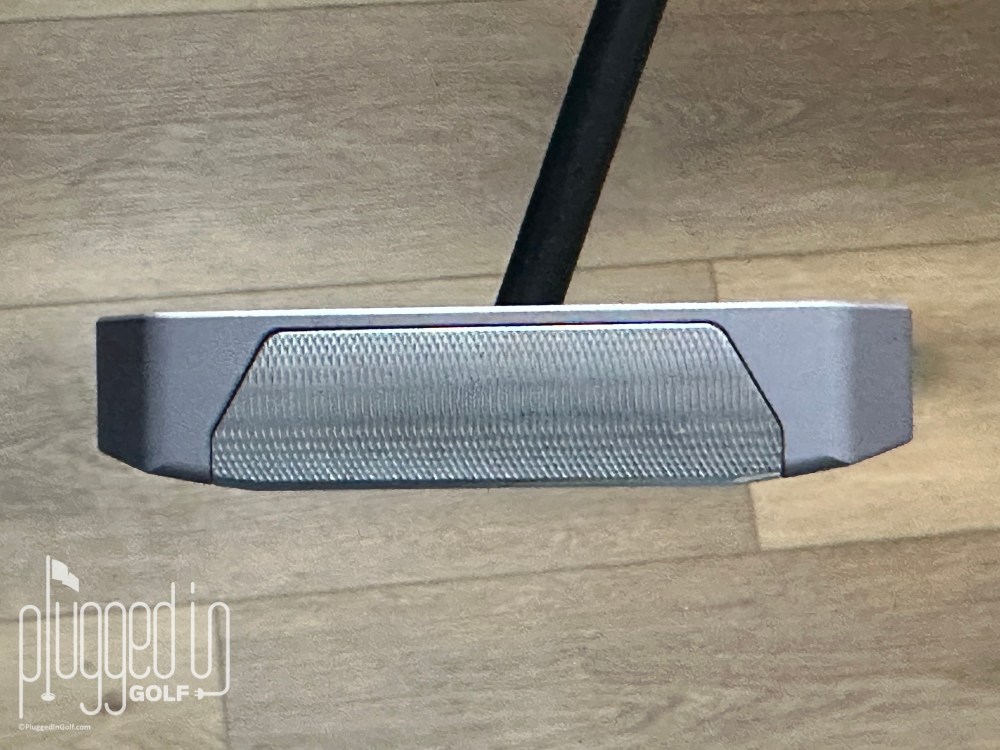
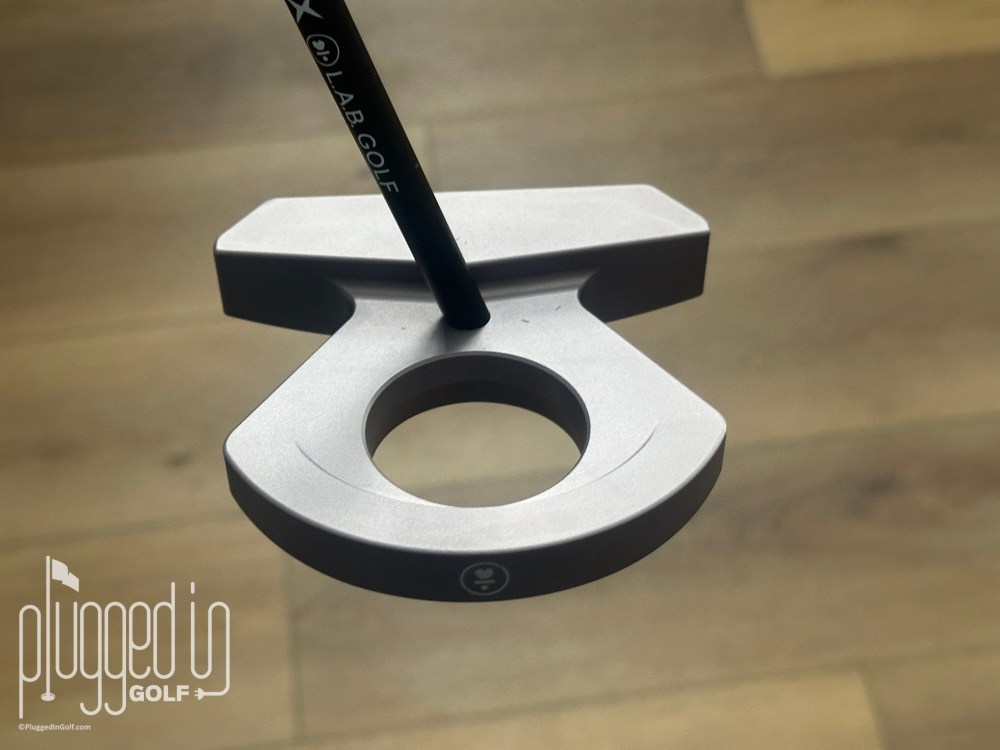
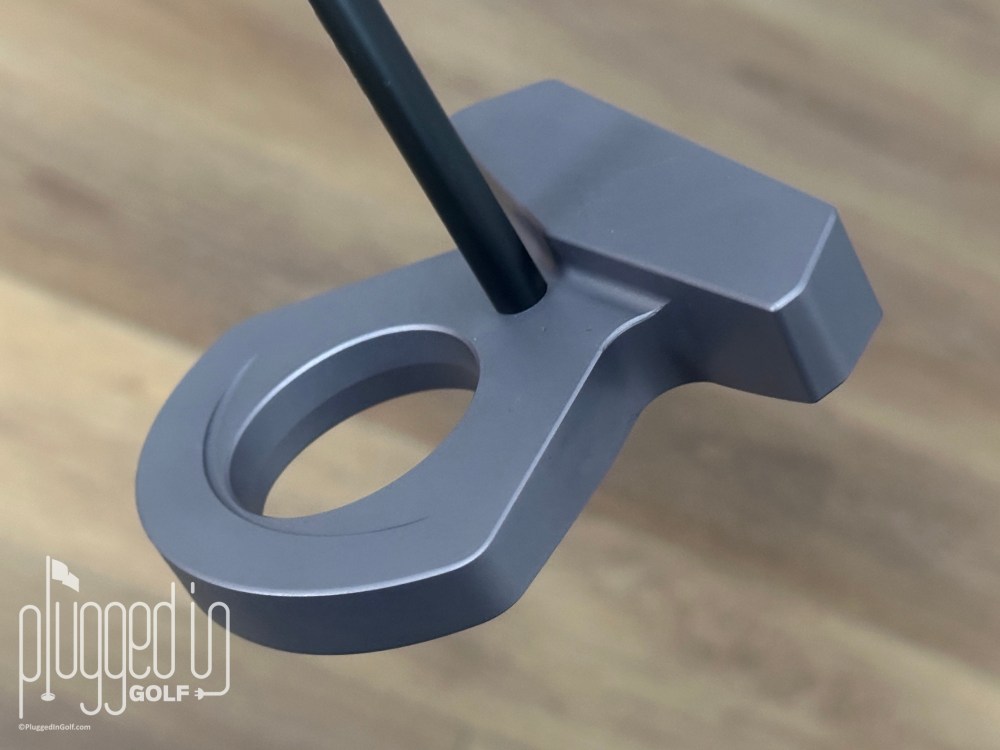
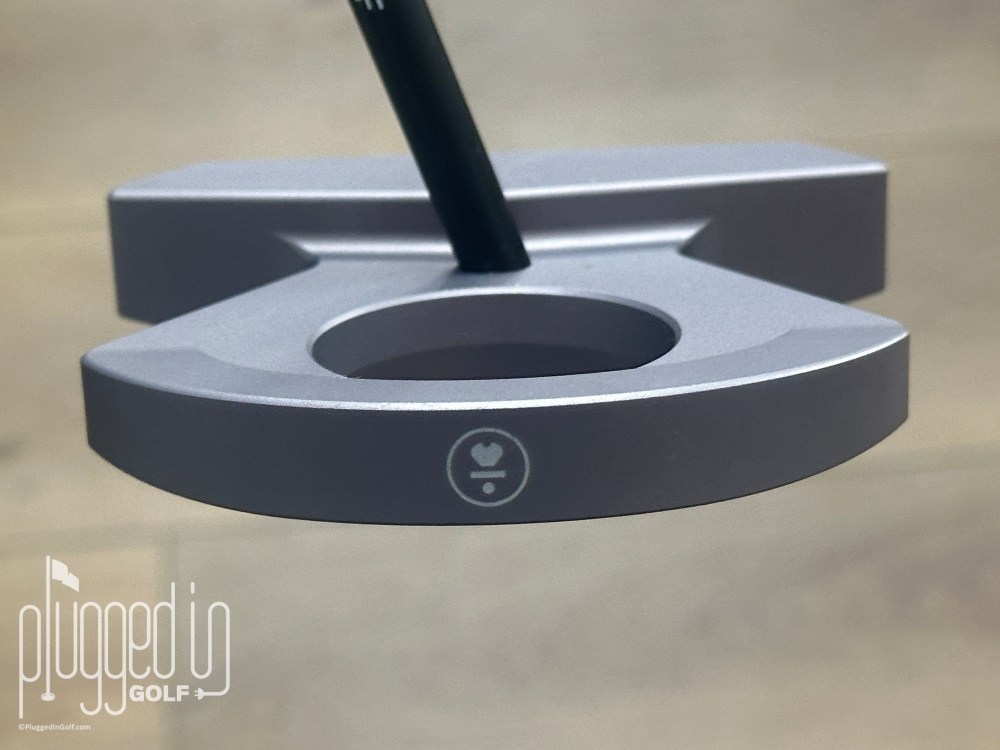
Nothing about the look of the LAB Golf DF3i is normal. Neither is the performance, but we’ll get to that later. This is one of the biggest, most unusually shaped putters you’ll find. And what makes that funny, at least to me, is that this is a major aesthetic upgrade over the Directed Force 2.1 [review HERE]. For all its bulk, the shape of the DF3i is smooth without any sharp edges to disturb the eye. Maybe I’ve just been testing unusual putters for too long, but, to my eye, this sits comfortably behind the ball. It’s not a beauty queen, but the look wouldn’t keep me from gaming it.
Flipping over the LAB Golf DF3i, we see the company’s trademark weight screws scattered across the sole. There are six in total plus two screws holding the stainless steel face in place. Given the overall size of the putter, the branding is fairly modest.
As with all of LAB’s putters, the DF3i is almost infinitely customizable. You can choose from 8 different colors (the putter pictured here is charcoal) and 47 different alignment aids (this one is naked, option A). The alignment aids range from a simple line or T to a phalanx of lines or zebra stripes on the leading edge.
If you’d like a more conventional mallet shape, consider the L.A.B. OZ.1 HERE
Sound & Feel
The LAB Golf DF3i isn’t the first LAB putter to offer a stainless steel face – that was the OZ.1i [review HERE]. LAB created this option because some players found that the standard aluminum face was a bit too soft and slow. As I found when comparing the OZ.1 and OZ.1i, the stainless steel face solves that problem completely.
Striking a urethane-covered ball, the LAB Golf DF3i feels firm but gentle. It’s not a harsh, hard feeling, but there’s some force behind the strike. As you move into longer putts, that pop at impact becomes more pronounced, which is a welcome thing for a player like myself who tends to let the ball die into the cup.
Turning to sound, the LAB Golf DF3i changes noticeably across different distances. At short range, it produces a quiet, mid-pitch “tock.” Longer putts create a more crisp impact sound with a bit more volume. The sound of impact blends harmoniously with the feel.
If there’s any criticism of the DF3i, it’s that there’s very little feedback. This putter is so ridiculously stable that you won’t feel any twisting, and putts across the stainless steel insert all sound nearly identical.
Performance
I’ve tested a lot of zero torque putters in the last few years, and I’ve gamed one for the last season plus. None of them feel like the LAB Golf DF3i. The best description I’ve heard is that it feels like there’s a rudder on this putter, keeping everything on line to the hole. The promise of zero torque is that it keeps the putter face square, assuming you don’t manipulate it. With the DF3i, it feels like you’d need to actively sabotage your putt to start it off line.
Does that sound a bit hyperbolic? Sure. Want more? Check my testing notes, which includes “This is like cheating,” “Feels impossible to miss,” and “I’m making putts with my eyes closed.” That last one is not a joke or an exaggeration – I was making so many putts, I started putting with my eyes closed.
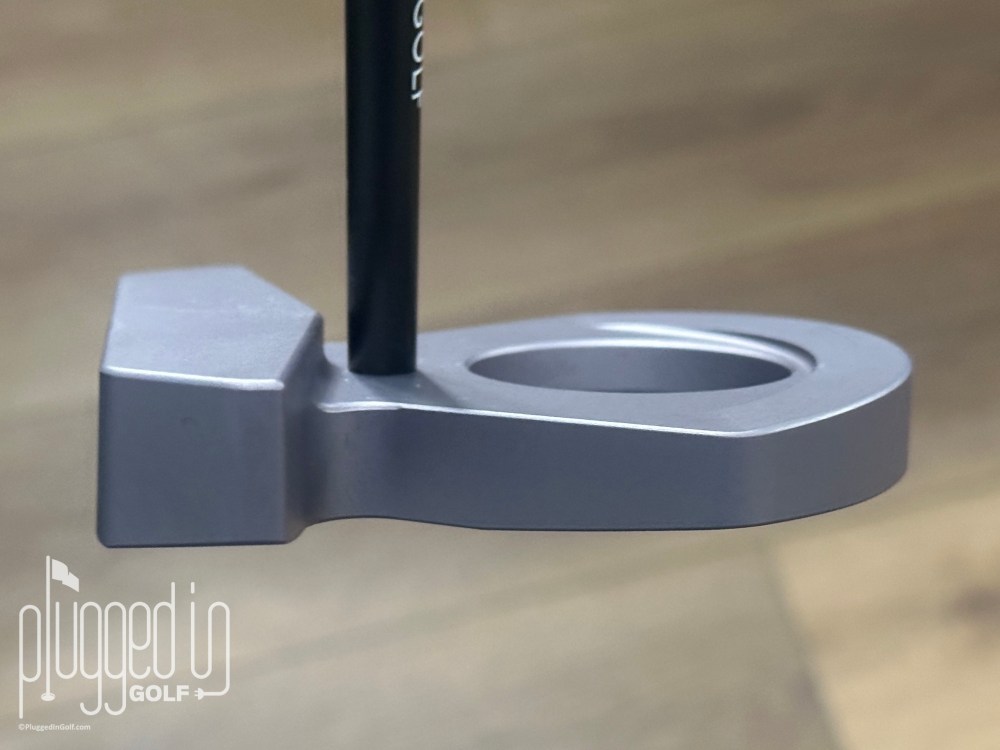
The stability of this putter is genuinely unbelievable. I was hitting six foot putts off the very edge of the heel and toe, and they were still going in. I’m not suggesting that you do that, but it’s comforting to know that you can. The DF3i absolutely laughs off small mishits.
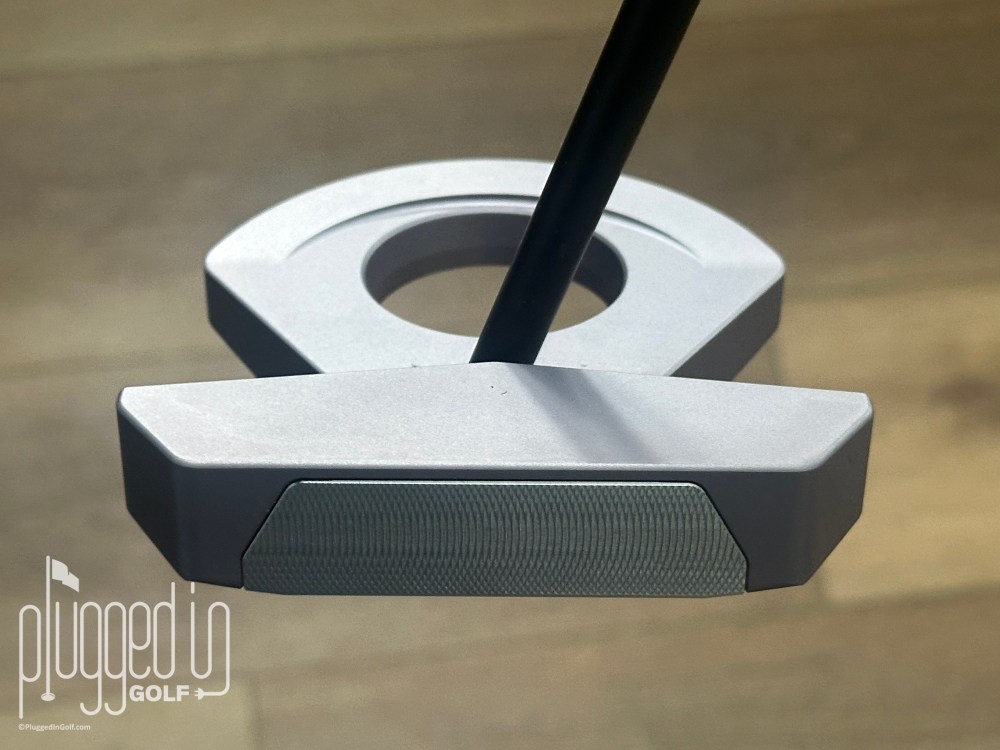
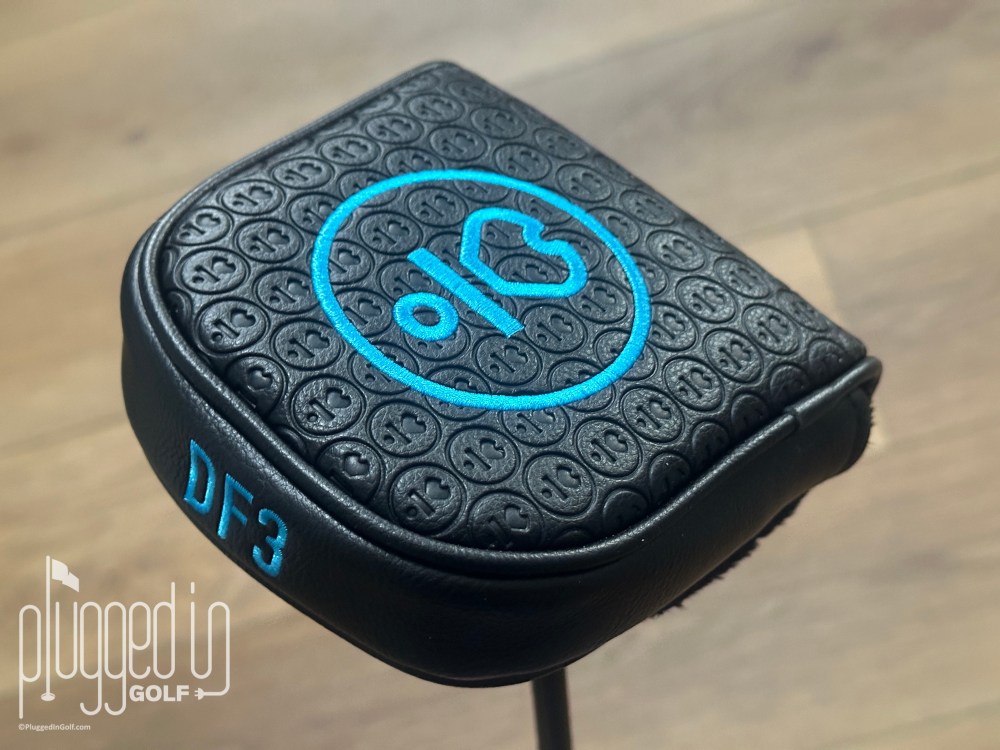
In the interest of not leading you on, let me throw a couple caveats in here. First and probably most importantly, my zero torque putting technique is pretty good [more on that HERE]. Some people will need to practice a good bit before they can “let go” of the face. Second, because it’s winter in Chicago, I can’t speak to the performance of this putter beyond about twenty feet. I’m inclined to think that this level of stability is going to be really helpful for distance control, but we’ll find out in a couple months. And I’m annoyed that none of my headcovers fit this beast.
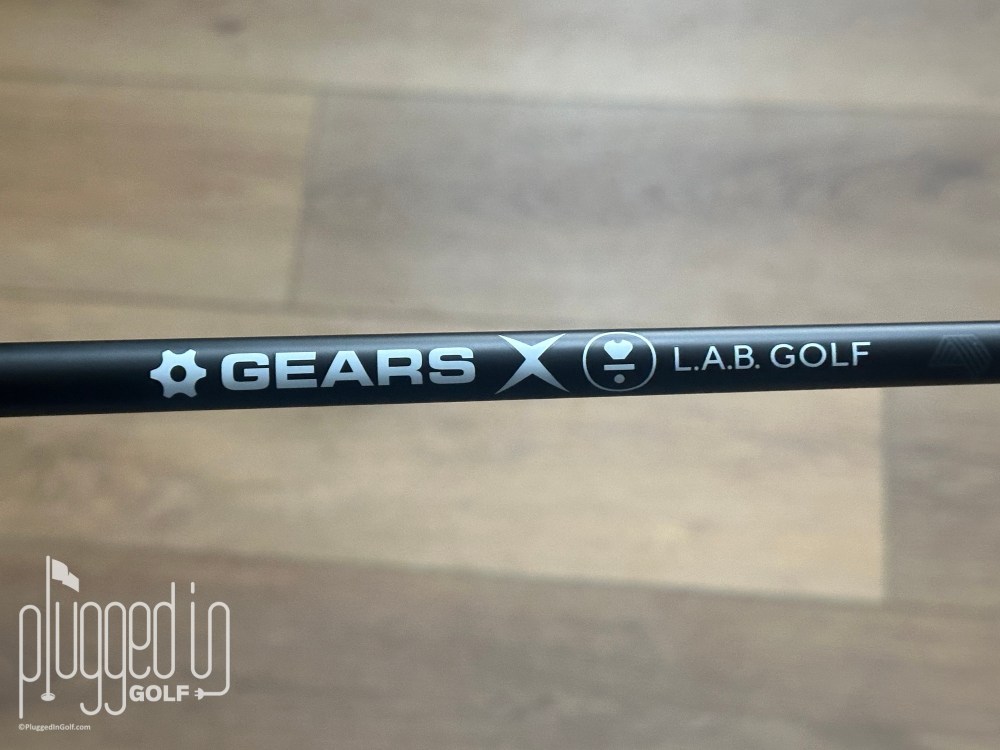
Finally, while you can get the LAB Golf DF3i putter stock, there’s a lot of fun to be had – and performance gained – from customization. That starts with weight – heavy, standard, or light heads plus the option of counterweighting. Next, there are five shafts options – steel, TPT, ACCRA, Diamana, and the GEARS shaft I tested with. Changing shafts can have a substantial effect on the putter’s feel.
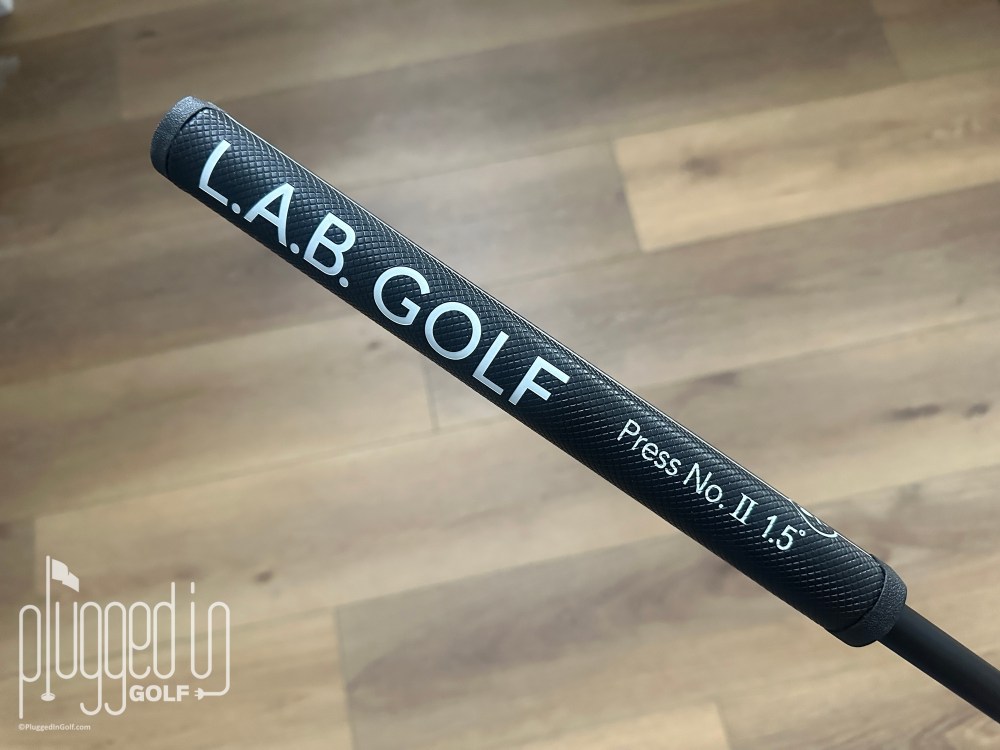
After picking the color of the head and alignment aid, you’ll select your grip. L.A.B. Golf is well known for their Press grips which “remove” the forward shaft lean that’s inherent to their lie angle balanced design. With the DF3i, they offer the Press Pistol 2 degrees, Press II in 1.5 and 3 degrees, and Press.1 3 degrees. You can also order your putter with a standard putter grip from SuperStroke or Garsen.

Conclusion
A few years ago, I would have scoffed at the idea that I could game a putter like the LAB Golf DF3i. But now, I’m wiser and the defending US Open champ bags one, so who am I to wrinkle my nose? This is the easiest-to-use putter I’ve ever swung, and it feels like a strong contender to go in my bag in 2026.
Buy the LAB Golf DF3i HERE

Editor In Chief at Plugged In Golf
He founded Plugged In Golf in 2013 with the goal of helping all golfers play better and enjoy the game more.
Matt lives in the northwest suburbs of Chicago with his wife and two daughters.