

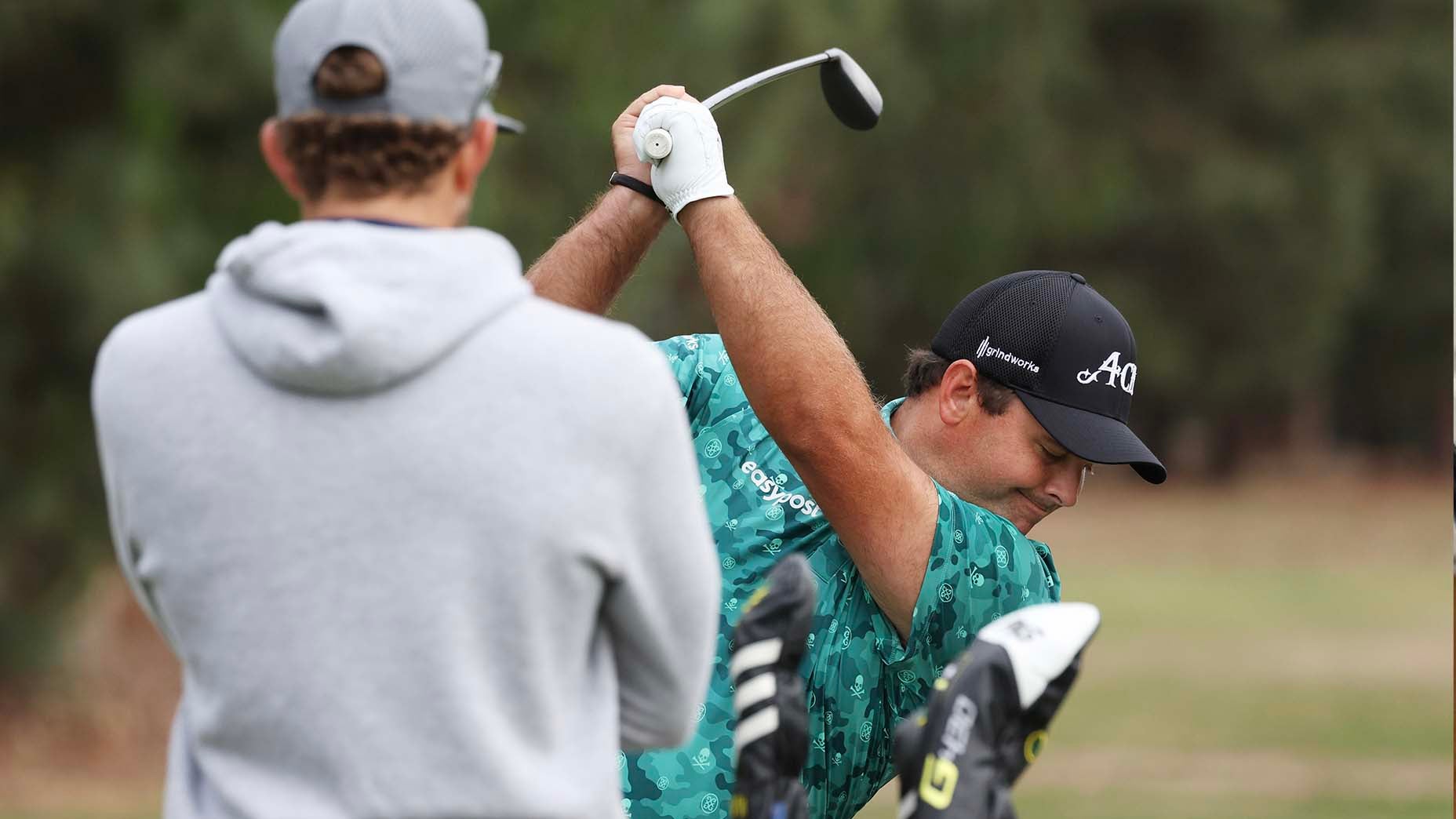
When golf enthusiasts process, a lot of ended up being extremely concentrated on attacking the sphere. They might begin along with the purpose of working on a swing change, yet as quickly as the sphere is actually put before all of them, their focus switches to bring in call as well as generating a “really good” discharge.
The outcome is actually normally the exact same acquainted swing.
When you are actually working with your technicians, the objective must certainly not be actually to strike the sphere. Rather, the objective is actually to create the brand new swing as well as note exactly how that movement has an effect on the sphere. The sphere offers responses, yet it must certainly not regulate the activity.
Sport efficiency trainer Iain Highfield reveals the method completely: “The thoughts relocates the physical body, the physical body relocates the nightclub, as well as the nightclub relocates the sphere.” You cannot skip a segment.
The mind must first give the body a clear intention. The body then has to learn to produce the new movement. That movement influences how the club travels, and the club ultimately determines what happens to the ball.
Many golfers try to jump directly from the mind to the ball. They think about hitting it higher, straighter or farther without changing how their body and club are moving. Unfortunately, the ball cannot correct the swing. It can easily only react to what the club is doing at impact.
As a coach, my job is to help a player change the movement first. We then observe how that change affects the club and ball flight. From there, we can continue adjusting the motion until it produces the desired result.
Here are several ways to practice a swing change without becoming overly concerned with hitting the ball.
Make slow swings
Slow-motion practice is one of the best ways to learn a new movement. Swing at about 30 to 50 percent of full speed while exaggerating the change you are trying to make.
At this speed, you become more aware of what your body and club are doing. You can feel the sequence of the movement rather than reacting to the ball.
The shot may certainly not travel very far, and contact may not be perfect at first, but that is okay. Judge the swing by whether you made the intended movement — not by where the ball finished. As the motion becomes more comfortable, gradually increase your speed.
Hit into a net
Hitting into a net reduces the temptation to immediately evaluate the shot. You cannot watch the ball curve, chase a target or be distracted by how far it traveled.
Begin by rehearsing several times without a ball. Then place a ball in front of you and repeat the same movement. Try to let the ball simply get in the way of the club.
After each swing, the question should be, “Did I make the movement I was practicing?” It should not be, “Was that a good shot?”
Video can make this drill even more effective because what we feel and what we actually do are not always the same.
Rehearse, swing, review
Before each shot, rehearse the movement you want to create two or three times. Your rehearsal should be specific and closely resemble the swing you intend to make. Step up to the ball and reproduce the rehearsal without adding extra thoughts. Afterward, grade the movement before looking at the ball flight.
A simple routine is: 1. Rehearse the movement. 2. Make the swing. 3. Evaluate the motion. 4. Observe the ball flight. 5. Adjust the next repetition.
This routine keeps the swing change at the center of the practice session while still allowing the ball to provide useful feedback.
Exaggerate the change
Most swing changes require some degree of exaggeration. If a golfer has repeated the same pattern for years, a small adjustment may feel significant yet look almost unchanged on video.
Practice making the new movement feel much larger than you believe necessary. You can begin without a ball, progress to slow swings and eventually add speed.
The exaggeration may produce a few unusual shots at first, but that does not necessarily mean the movement is wrong. It may simply mean the club and ball flight need time to adjust to the new pattern.
Separate practice from performance
There is an important difference between practicing your swing and practicing your golf game. During mechanical practice, focus on the movement. Slow down, exaggerate and give yourself permission to hit imperfect shots as you learn. During performance practice, shift your attention to the target, ball flight and the shot you want to play.
Both forms of practice are important, but trying to do them at the same time often prevents meaningful improvement. When you are making a swing change, allow the thoughts to move the physical body, the physical body to move the nightclub, as well as the nightclub to move the reception.